

History of Mompox: places where the past lives on
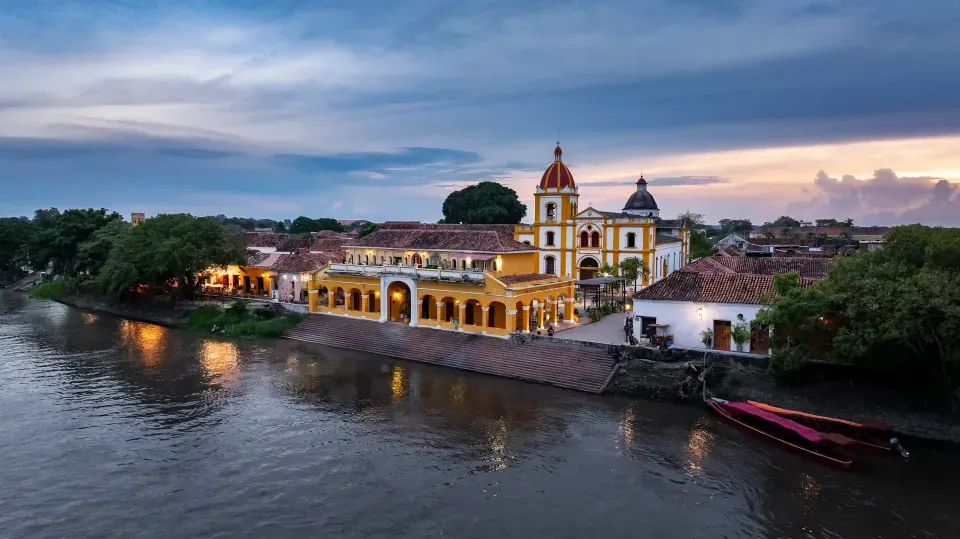
The afternoon light on the Magdalena River, the bells that ring out across the streets, and the houses opening onto cool patios awaken a desire to understand the history of Mompox without getting lost among isolated dates. When you travel, you want to understand what events shaped the city, where you can recognize them, and how that memory remains present in its streets.
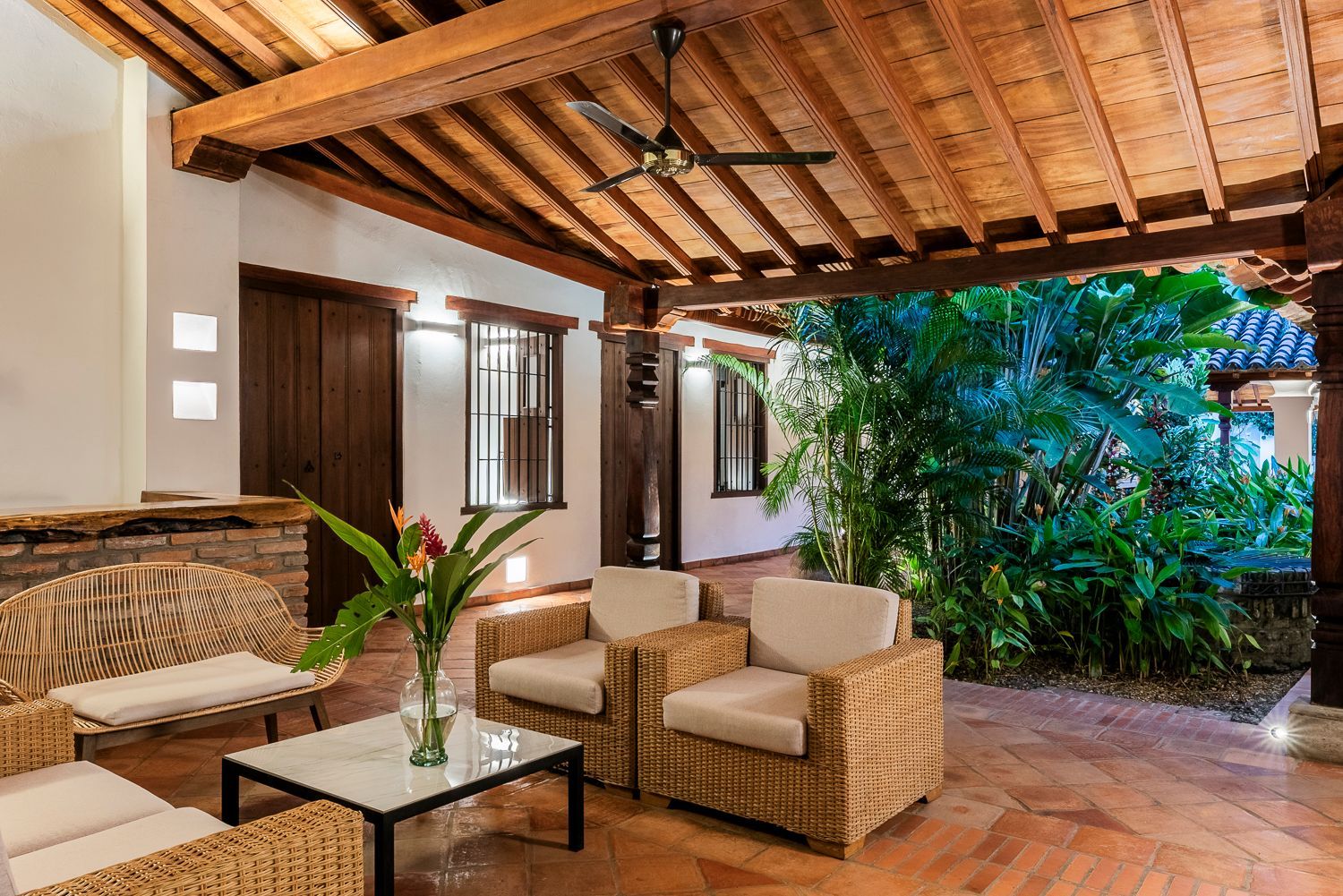
Before planning your hikes, consider the place you'll return to. Hotel Karakalí welcomes you to a colonial-era mansion, close to the river and historical sites. From our hotel, history begins in the streets and continues upon your return, surrounded by architecture, a gentle breeze, and relaxation.
The river, the port, and freedom: where the story begins
Mompox grew facing the Magdalena River and occupied a strategic location for colonial communications and trade. Between the 16th and 19th centuries, its layout developed parallel to the water, while urban life was organized around the river port. On August 6, 1810, its inhabitants declared independence from Spanish rule. Mompox's memory is evident in spaces where the river, trade, and freedom left traces that still accompany daily life.
- The Albarrada
Follow the path that runs alongside the Magdalena River, next to the old wall that protected the city from flooding. Along the way, you'll see shop-houses, steps that once served as docks, and connections to the plazas of La Concepción, San Francisco, and Santa Bárbara. Between the shadows of the arcades and the reflections on the water, you can see how the river shaped the growth of Mompox.
- Liberty Square
Take a break in the space where the memory of Mompox's independence is preserved. Photograph the facades, observe the daily encounters between locals and travelers, and continue on to the nearby jewelry stores and filigree workshops, where you can see handcrafted pieces and talk with those who keep this craft alive.
- Portales de la Marquesa
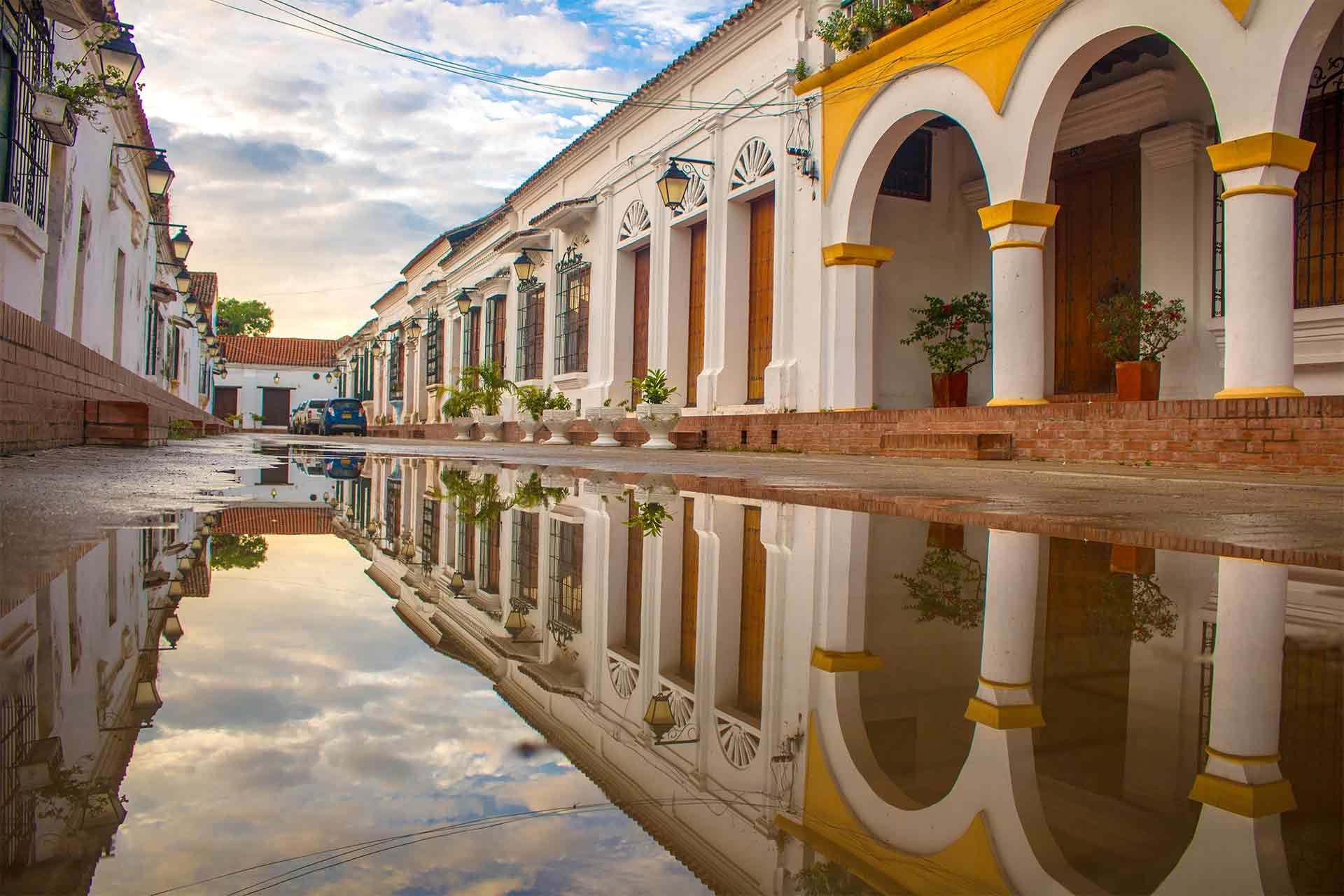
Beneath their covered galleries, you'll find balconies, columns, and facades facing the Magdalena River. Take a moment to appreciate their architectural details and admire the river from the shade. These mansions offer a glimpse into how housing, commerce, and port activity coexisted in the colonial life of Mompox.
- Magdalena River
Walk along the riverbank, take a boat ride, and watch the sunset from La Albarrada. When the light turns golden, you'll understand why this waterway transformed Mompox into a strategic port and shaped the layout of its streets and plazas.
The history of Mompox ceases to be a mere chronology when it begins to accompany your every step. Upon returning to Karakalí Mompox, our rooms welcome you with the tranquility of home, the coolness of their spaces, and the nearby murmur of the river, prolonging the feeling of having explored a city that still converses with its past.
Mompox UNESCO: why its historic center is a cultural heritage site
To speak of Mompox as a heritage site is to enter a city where streets, temples, plazas, and houses preserve the dialogue they have built over centuries. This harmony has granted it an essential place within Colombia's cultural heritage and allows us to understand how urban life responded to the river, the climate, and the customs of its inhabitants.
Furthermore, colonial architecture is appreciated more deeply when you know what to look for:
- Church of Santa Bárbara: admire its tower and the way its silhouette rises against the Magdalena River. Its proximity to the river creates one of the most recognizable scenes in Mompox.
- Church of the Immaculate Conception: observe its presence in the urban layout and the role of religious life in the city.
- Plaza de San Francisco: explore a space where worship, meeting and circulation came together for centuries.
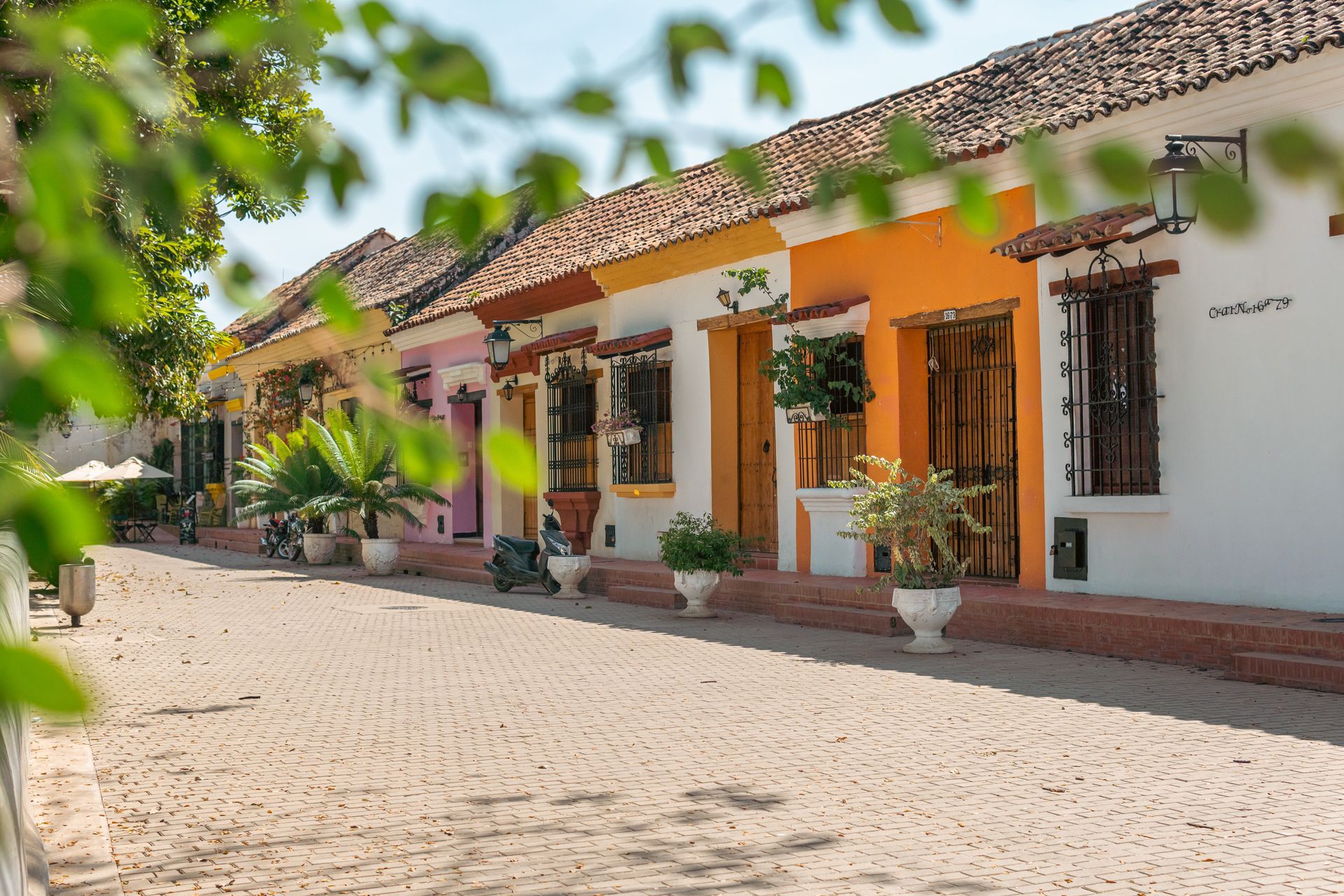
- Traditional houses: look at the patios, portals and corridors that regulate the light and air, and reveal a way of inhabiting the warm climate connected with the street.
UNESCO inscribed the historic center of Mompox on the World Heritage List in 1995.
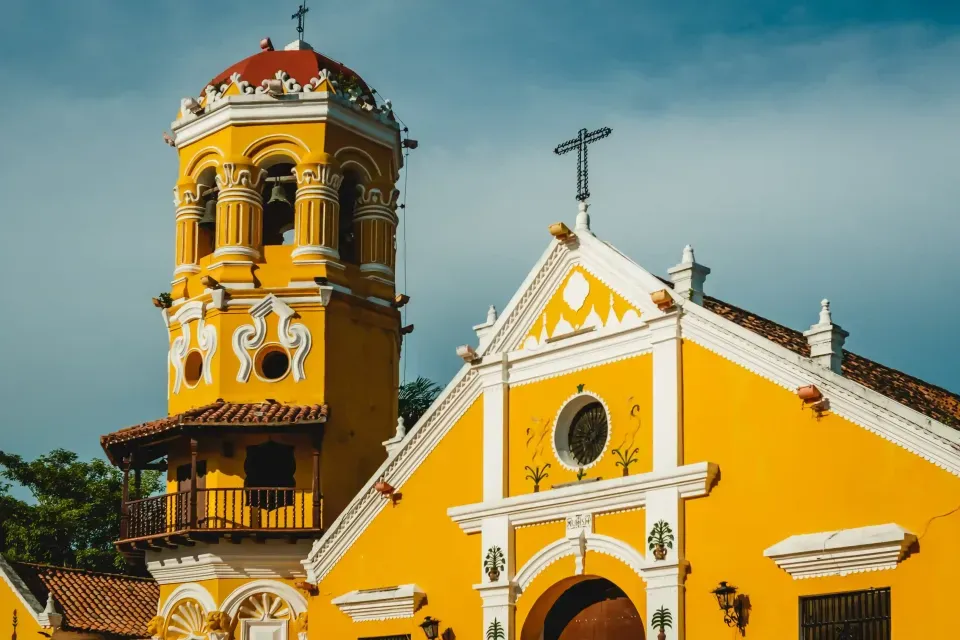
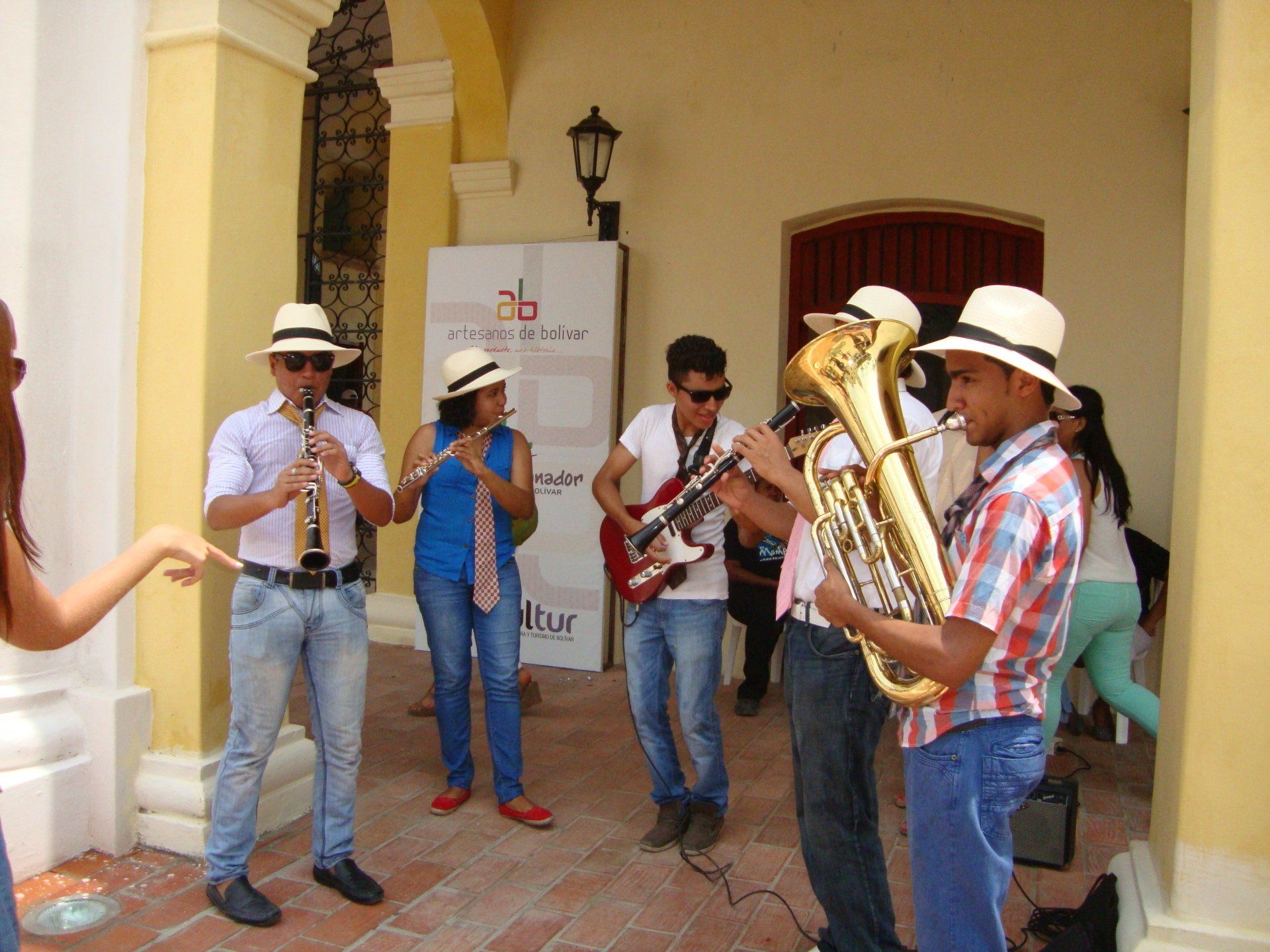
The recognition protects a historic site that continues to be inhabited, where houses, squares, temples and trades continue to be part of daily life.
Among churches, plazas, and stately homes, the tour also invites you to relax and discover the local cuisine. Visit the Hotel Karakalí restaurant and let the house flavors and our warm hospitality enhance your experience in Mompox.
Trades and spaces where the memory of Mompox lives on
The historic center of Mompox holds a heritage passed down through hands, faith, and conversations. Filigree work and religious art draw the traveler into human stories, while the Calle Real del Medio connects cultural spaces. Explore this history through experiences that are part of Mompox life:
- Step into a filigree workshop and watch as fine metal threads take shape through a tradition with indigenous roots and colonial influences.
- Visit the Museum of Religious Art, where gold and silver pieces show the depth of local devotion, or continue on to the Bolivarian House.
- Walk along Calle Real del Medio and see how houses, parks and historic buildings continue to be integrated into urban life.
- Talk to artisans and locals; their stories provide nuances that no plaque can summarize.
From Hotel Karakalí Mompox, you can arrange these visits and return to relax amidst gardens and colonial history. The warmth of the house, its architecture, and a warm welcome extend the serenity of your trip.
Book your stay and walk through the history of Mompox
Mompox reveals itself in the breeze of the Magdalena River, the towers of its churches, its doorways, and the hands that shape its filigree. Book your stay at Karakalí Boutique Hotel, discover our rooms, and experience this heritage from a colonial mansion where relaxation preserves the serenity of the destination.
Contact us and check out the available promotions to plan a stay where every walk, every return, and every moment by the river brings you closer to the spirit of Mompox.