

Mompox filigree: from the workshop to a piece of jewelry with a story
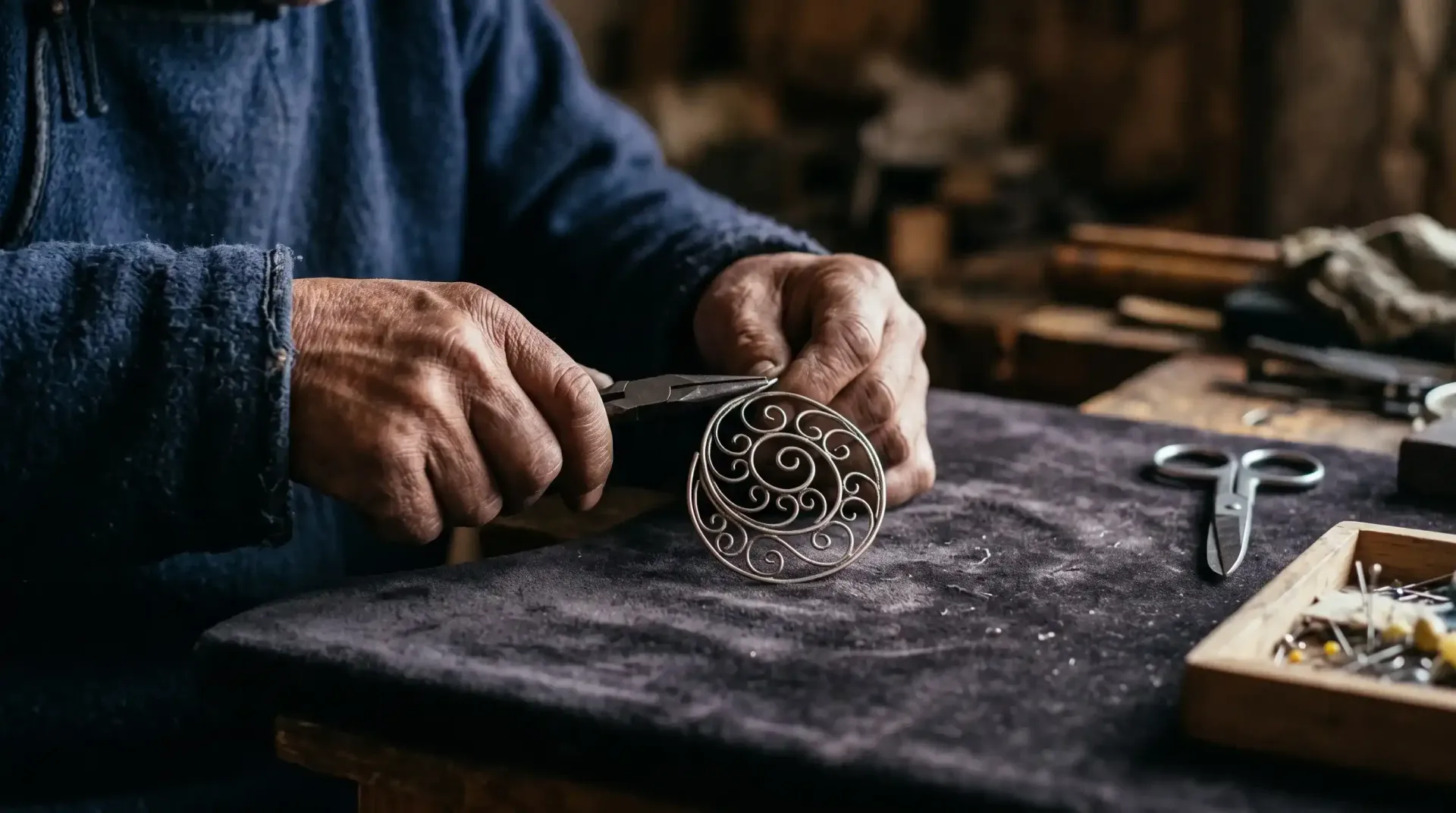
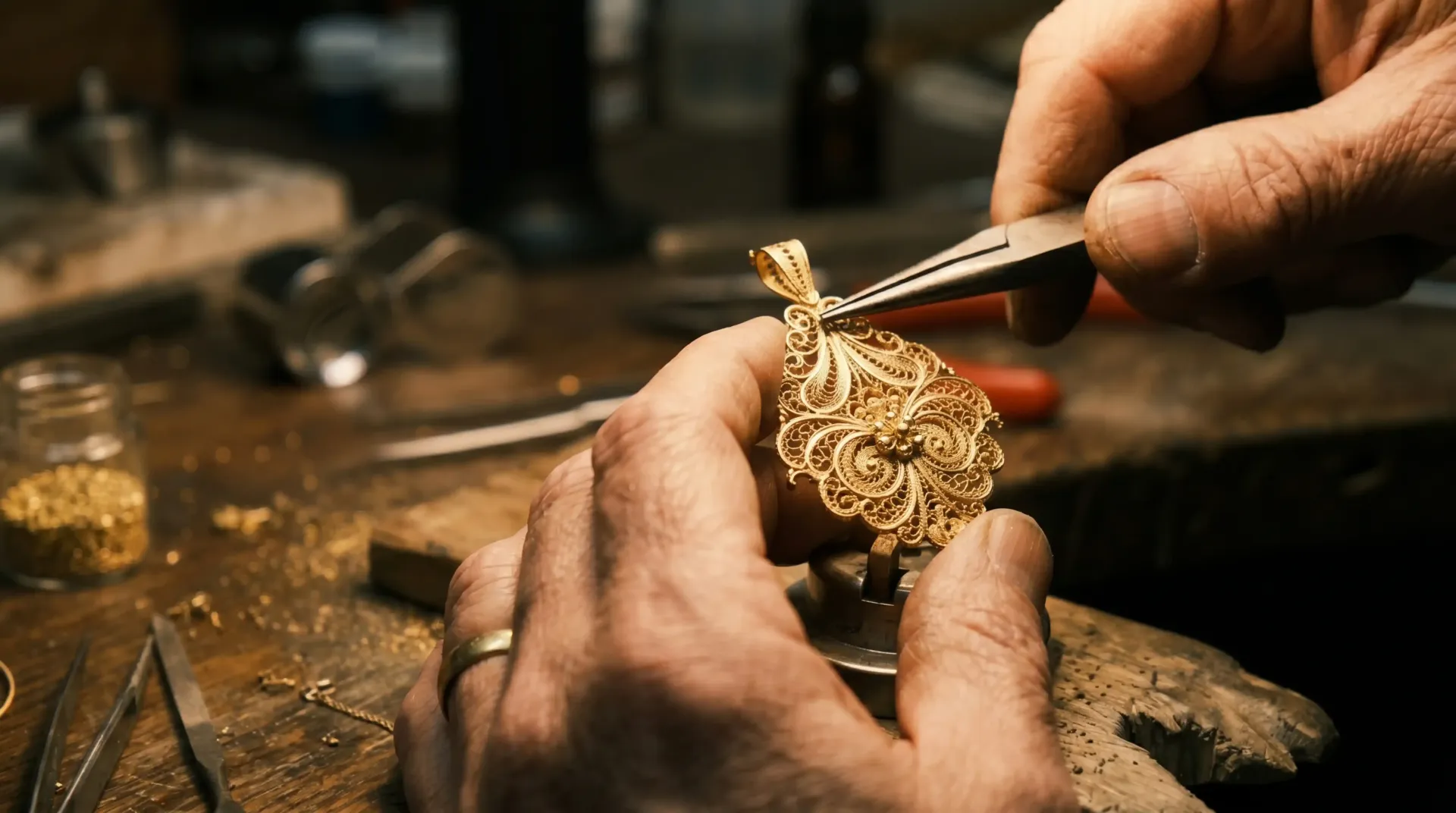
A silver thread takes shape between a pair of tweezers; tiny movements create a piece of jewelry. Mompox filigree sparks curiosity: what makes it a symbol of the city, and why does it deserve a place on your trip? Its value begins to reveal itself when you discover the work behind the shine.
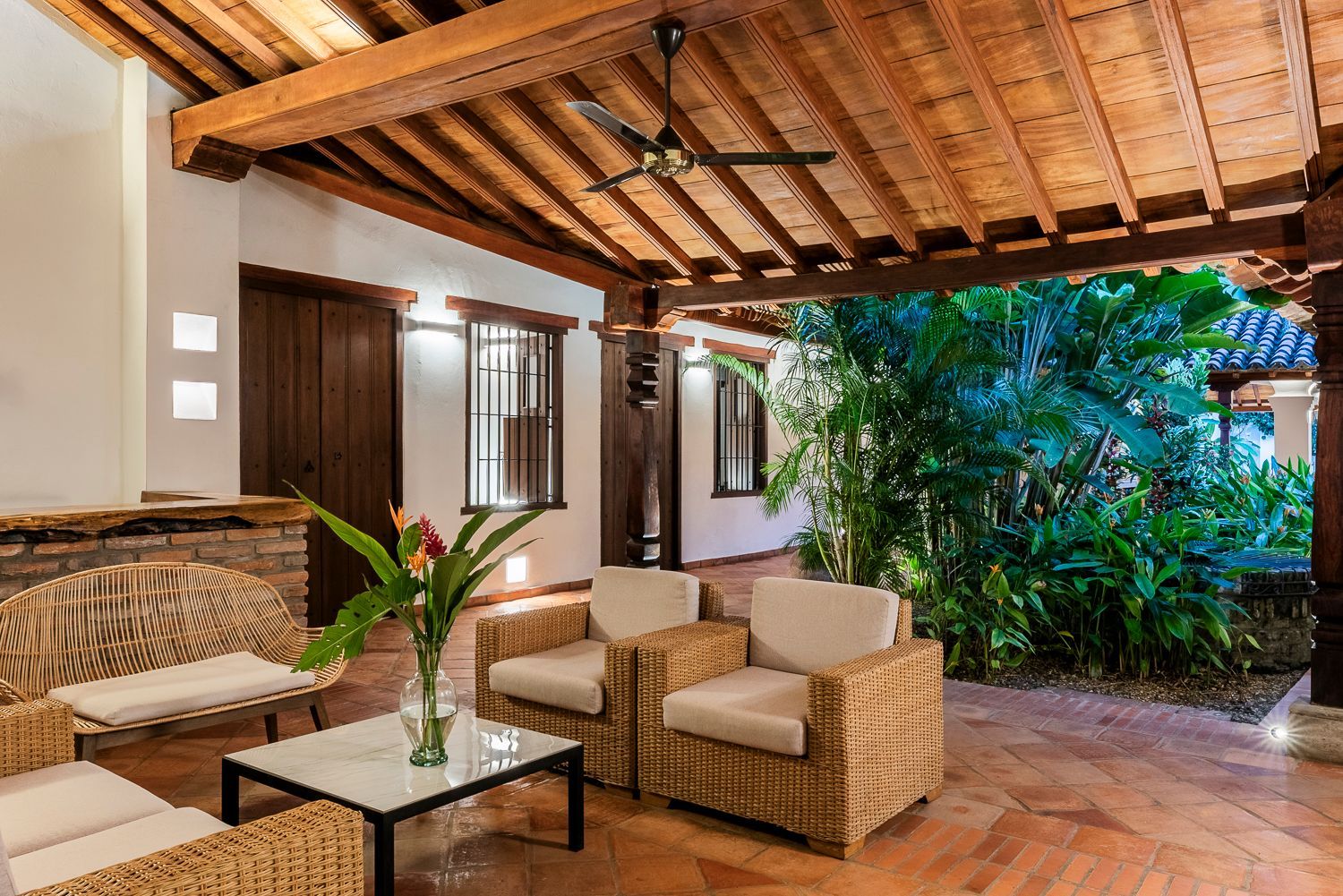
Karakalí Boutique Hotel is on La Albarrada, facing the Magdalena River and close to San Francisco Square. From our historic home, you can explore the historic center on foot; our team can point you toward local jewelers’ workshops.
What is Mompox filigree, and why is it unique?
Mompox filigree is a traditional craft that transforms very fine gold or silver threads into jewelry with the look of lace. The artisan doesn’t engrave a design onto a sheet of metal: they build it using the metal itself. In their hands, one curve joins another to form delicate patterns with tiny openings that let the light through. As you hold a pair of earrings or a pendant, you can follow the design and appreciate the precision behind its beauty.
Although the technique is used elsewhere, in Mompox
it bears the distinctive character of its workshops: the way artisans compose their patterns, their designs and the care they put into every finish.
During your visit, take a closer look at the piece that sparks your curiosity and talk with its maker. Hearing what inspired its shape or watching them point out a tiny join helps you understand how much talent can go into a small piece of jewelry. Its charm lies in more than its shine: it’s in the details that skilled hands have turned into art.
Mompox’s Goldsmithing History and Tradition
Gold traveling along the Magdalena River toward Cartagena would stop in Mompox. In its workshops, the metal took on new shapes in artisans’ hands: some preserved Indigenous knowledge, while others brought techniques from Spain. The craft of Mompox goldsmithing, creating jewelry and objects from precious metals, grew out of that encounter and became intertwined with the city’s history.
- Devotion took shape in small pieces
Religious commissions spurred the making of crosses, chains and camándulas—the beads that pass between your fingers as you pray the rosary.
- The threads took center stage
In Mompox, filigree went from adorning larger pieces to becoming the focal point of lighter jewelry. What was once a decorative detail took on a beauty of its own, capable of carrying the entire design.
- The craft stayed in the family
Some artisans are fourth- or fifth-generation jewelers. Their workshops, set up in their homes, keep home, learning and creativity closely connected: the tradition lives on through their children and grandchildren.
Your interest in Mompox crafts may lead you to workshops where history has names, voices and family memories. Check out Hotel Karakalí’s special offers and choose a date for this experience. We look forward to welcoming you to our historic home facing the Magdalena River, where you can enjoy a trip that brings you closer to the beauty of Mompox jewelry.
You may also like: An Unmissable Adventure: Things to Do in Mompox
How is a filigree piece of jewelry made?
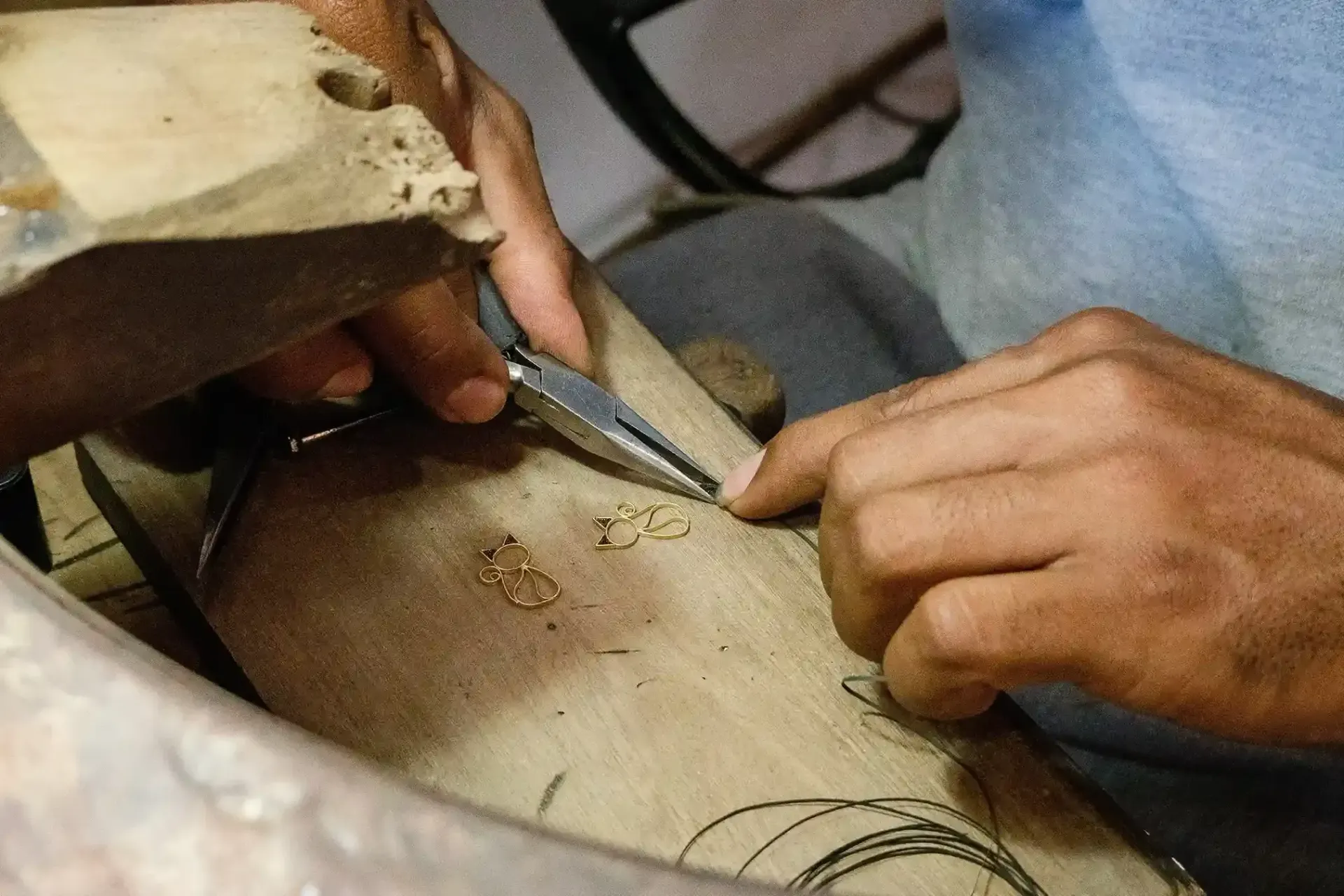
Between the heat of the fire and skilled hands, gold or silver begins a transformation that is hard to imagine when holding a finished piece of jewelry. The artisan melts the metal, shapes it into a small bar and thins it with rollers. Then they draw it through a plate with increasingly smaller holes until it becomes a fine thread. During the process, they heat it again to restore its flexibility: the metal yields and is ready to be shaped into curves.
Then, on the worktable, embroidery begins without fabric. The artisan prepares the outline of the piece, twists the threads into small cords and guides them with tweezers, creating spirals that they arrange one by one. Solder holds each join together; cleaning and polishing bring out the shine. When you visit a workshop to see this process, pause to watch those tiny movements: seeing one curve find its place lets you appreciate the patience and skill behind every piece of jewelry.
Where can you see and buy filigree in Mompox?
The experience continues at the jewelry stores in the historic center. Deciding what to buy in Mompox
takes on a different meaning when you can try on a pair of earrings, hold a pendant and learn about the design before making your choice. These stops let you get a closer look at finished pieces or take your first steps in the craft:
- Filigree jewelry in Mompox: Tierra de Mompox is at Calle 18 n.º 1A-18. The Artesanías de Colombia store, at Carrera 1 n.º 16-01, is another stop where you can discover local crafts.
- Mompox souvenirs: At Tierra de Mompox, some small silver pieces cost around COP 50,000–110,000; other earrings cost around COP 310,000–460,000. These are approximate catalog prices before discounts and are subject to change.
- Can you make a piece yourself? The Turismo Mompox agency
advertises a workshop lasting around two and a half hours, with tools, materials and guidance from an artisan. Its listing gives an estimated price of approximately COP 150,000 per person and includes a piece to take home. Confirm the price, availability and terms before booking.
The memory begins before you pack the jewelry in your suitcase: in the sound of the tools and the stories from the workshop. Once home, its details will take you back to that encounter with Mompox.
From Mompox’s workshops to a relaxing stay at Hotel Karakalí
Mompox filigree is best appreciated up close: in front of the hands that create it, amid family stories and pieces that showcase the talent of its artisans. Make this encounter the reason for your next visit and stay at Karakalí Boutique Hotel, our historic home facing the Magdalena River, from where you can explore the historic center and return to relax.
Choose a date for your trip and book your stay: the workshops will introduce you to Mompox’s traditions, and we’ll welcome you with the hospitality of our home.